
Seeing the House Before Selling it
A Westgate home, its story, and the buyers who saw what new construction couldn't offer
The first conversation wasn’t about marketing.
I met with the owner and asked him about the house. What had he loved about living there? What would he miss? Why was he selling, and what was next for him?
Those conversations are often more revealing than a list of upgrades.
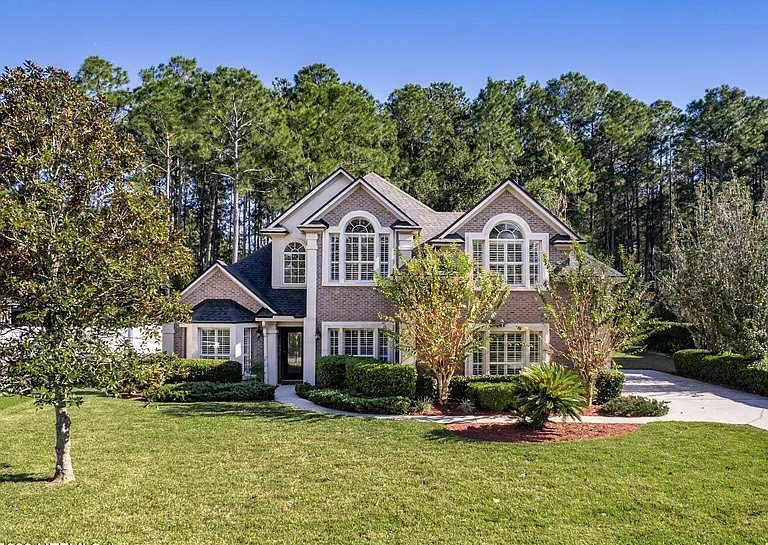
As we walked through the property, a picture began to form. This wasn’t a house whose story could be reduced to five bedrooms, an updated kitchen and nearly 3,000 square feet. The things that gave it character were more subtle.
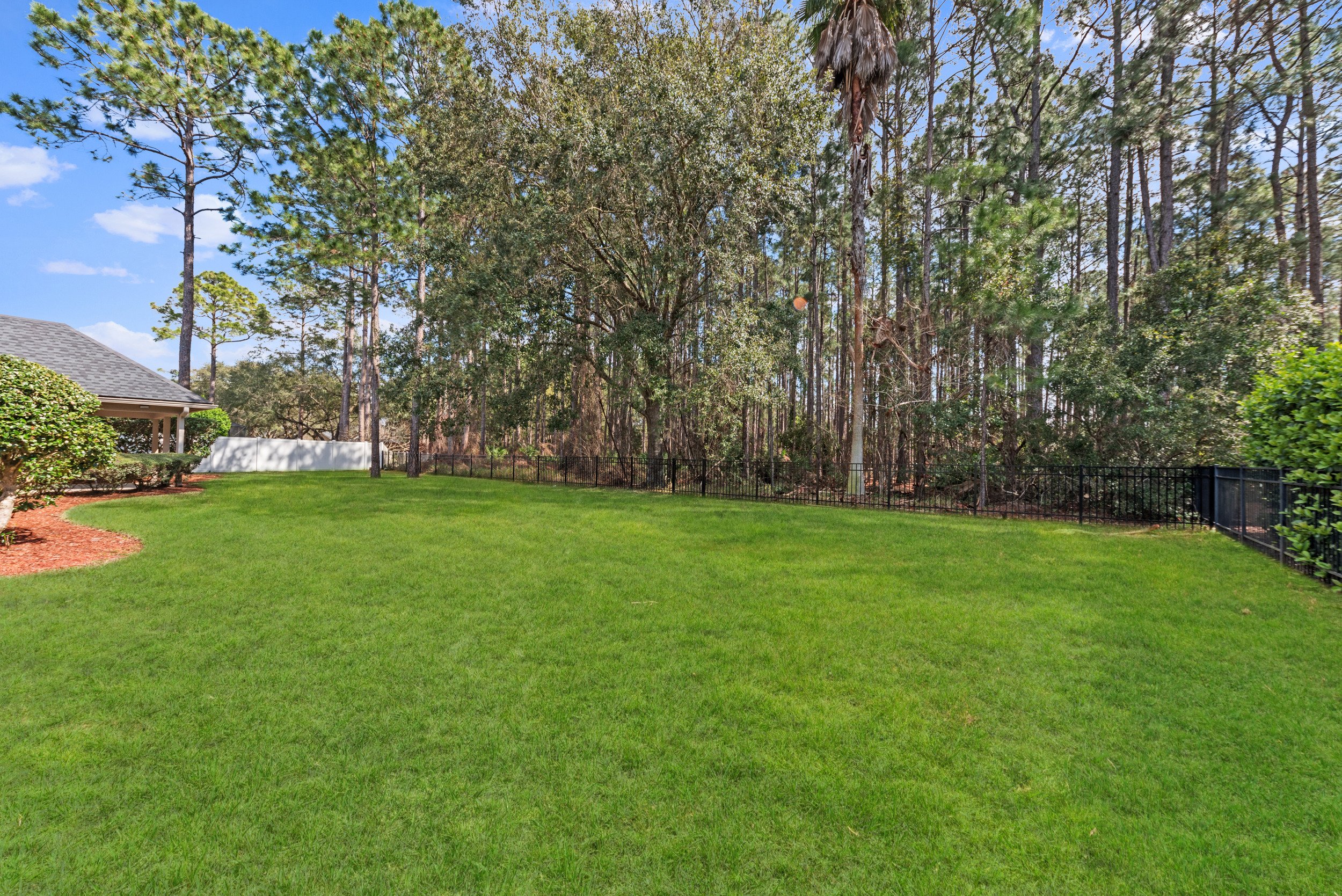
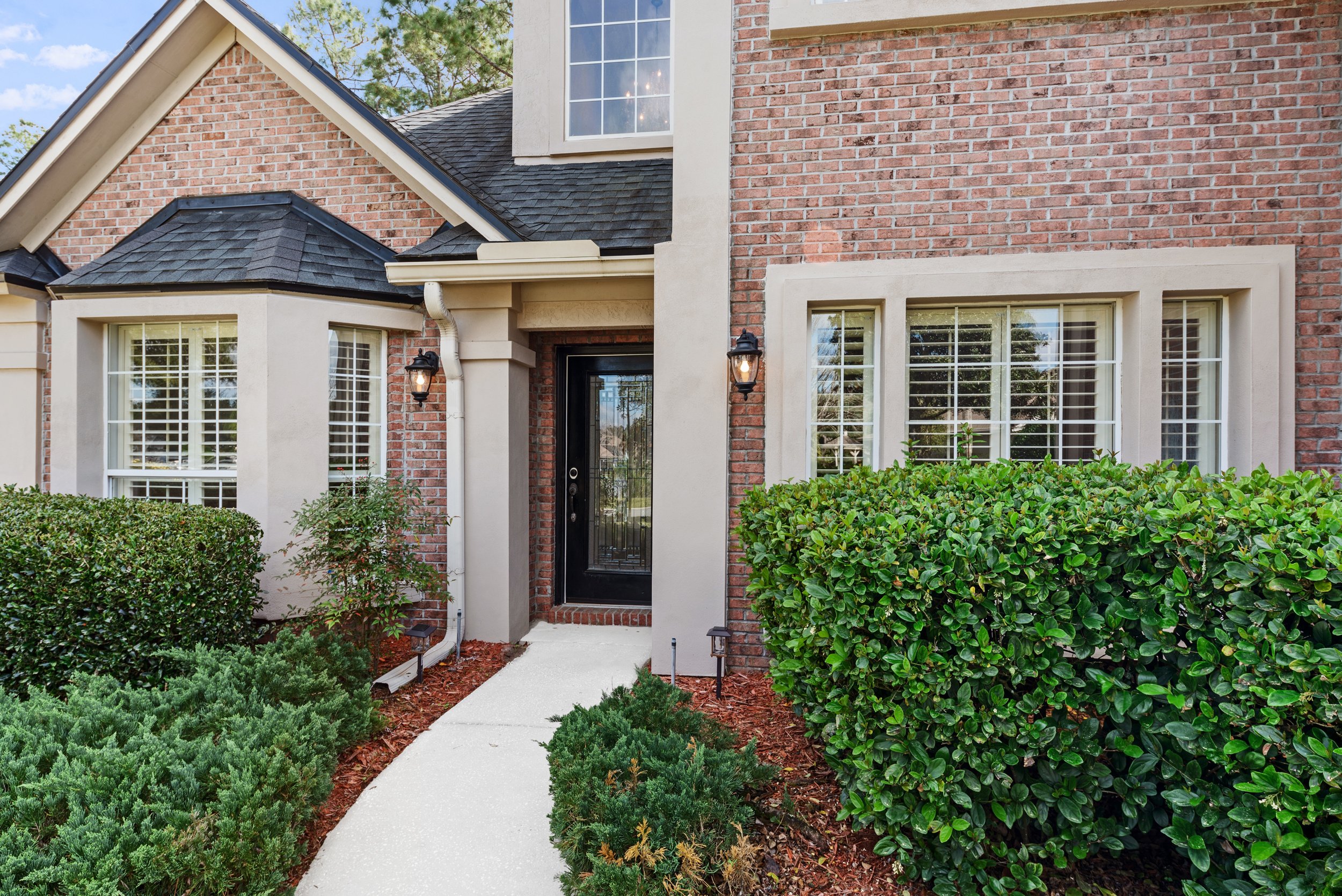
The traditional brick exterior. Tall arched windows. The side-entry garage that allowed the house, rather than the garage doors, to define the façade. Mature landscaping. Generous rooms. And behind it all, a substantial homesite with the kind of established setting that takes years to develop.
The house was built in 2003. That fact could have been treated as something to overcome.
I saw it differently.
Looking at What Was Already There
Westgate is part of Julington Creek Plantation, an established community in St. Johns County. Julington Creek itself encompasses approximately 4,120 acres, including more than 100 lakes and about 1,200 acres of nature preserve.
By the time this house came to market, the neighborhood had something newer communities simply haven’t had time to acquire: maturity.
Trees had grown. Landscaping had settled in. The house belonged to its setting.
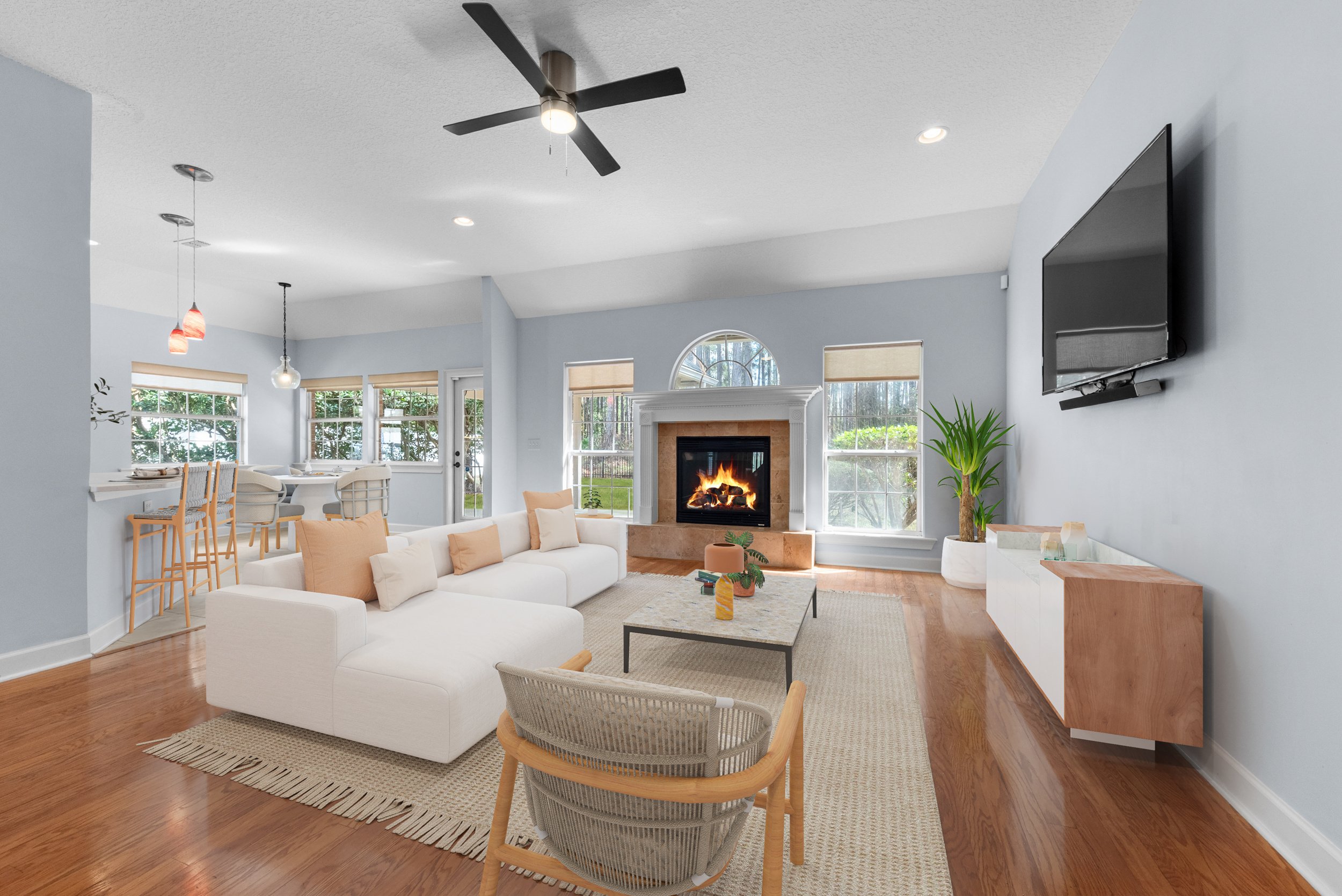
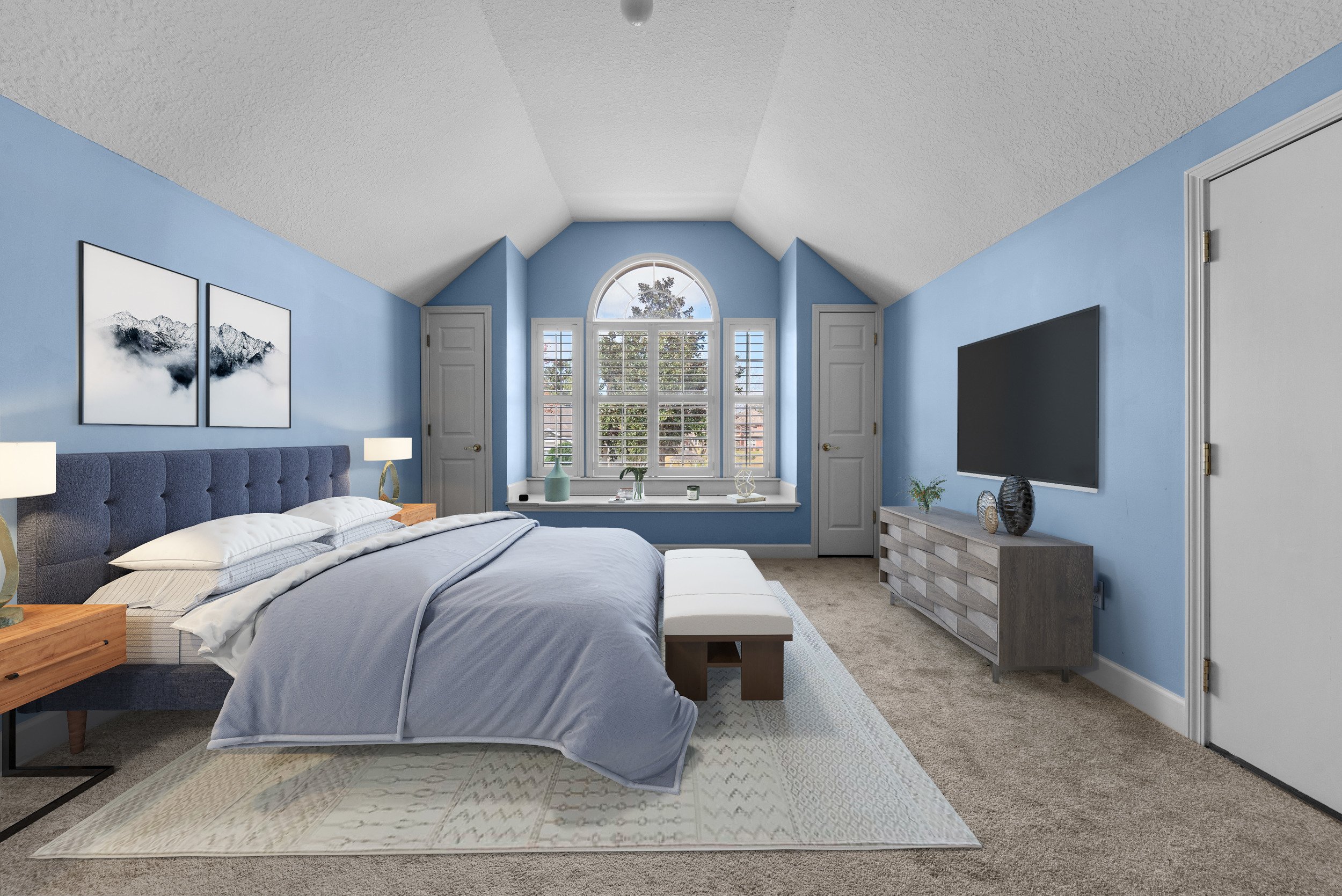
Inside, it had evolved too. The kitchen had been updated with quartz countertops, 48-inch cabinetry and contemporary lighting. There was a first-floor primary suite, a separate office and the volume that comes with high ceilings. The home offered nearly 3,000 square feet on approximately 0.30 acres.
The more I looked at it, the less interested I became in presenting it as an “updated 2003 home.”
There was a more interesting comparison.
What could a buyer get here that would be difficult to get in new construction for the same money?
That question shaped the strategy.
Before the Listing Went Live
We weren’t trying to appeal to everyone.
I thought the right buyer might very well be someone considering new construction but also looking carefully at what an established home could offer.
Space mattered. So did the lot. Mature landscaping mattered. Architectural character mattered. And value was not simply about the age of the house. It was about what the same budget actually bought.
Before the property officially entered the market, we used a Coming Soon strategy to introduce it and build awareness.
The response came quickly.
By the first full day of showings, the schedule was full.
Activity was encouraging, of course. But what interested me more was whether someone would walk through the door and see the same qualities we had identified from the beginning.
Someone did.

Then a Young Couple Walked In
They had been considering new construction.
But they didn’t want a cookie-cutter house. They wanted character. Something established. Something that felt like a home rather than a product.
Here, they found it.
They liked the space. They saw the value of the larger lot and mature surroundings. And when they compared what they were getting for their money, this house made sense.
They fell in love with it.
What I find particularly interesting is how closely their reaction reflected the story we had uncovered before the house ever reached the market.
The qualities the seller had valued were now being recognized by someone else.
The house had found its next owners.
Two Days Later
The property was under contract within two days and ultimately closed at the full asking price.
A sale is never the result of one thing. Price matters. Timing matters. Presentation matters. The market matters.
But this one reminded me why I don’t like beginning a listing conversation with marketing.
I prefer to begin with the house.
And with the person who knows it best.
Somewhere between the seller’s experience, the architecture, the history of the neighborhood and what today’s buyers are actually looking for, there is usually something more interesting than a list of features.
There is a reason someone chose that house in the first place.
Sometimes the best strategy is understanding that reason well enough for the next person to see it too.