
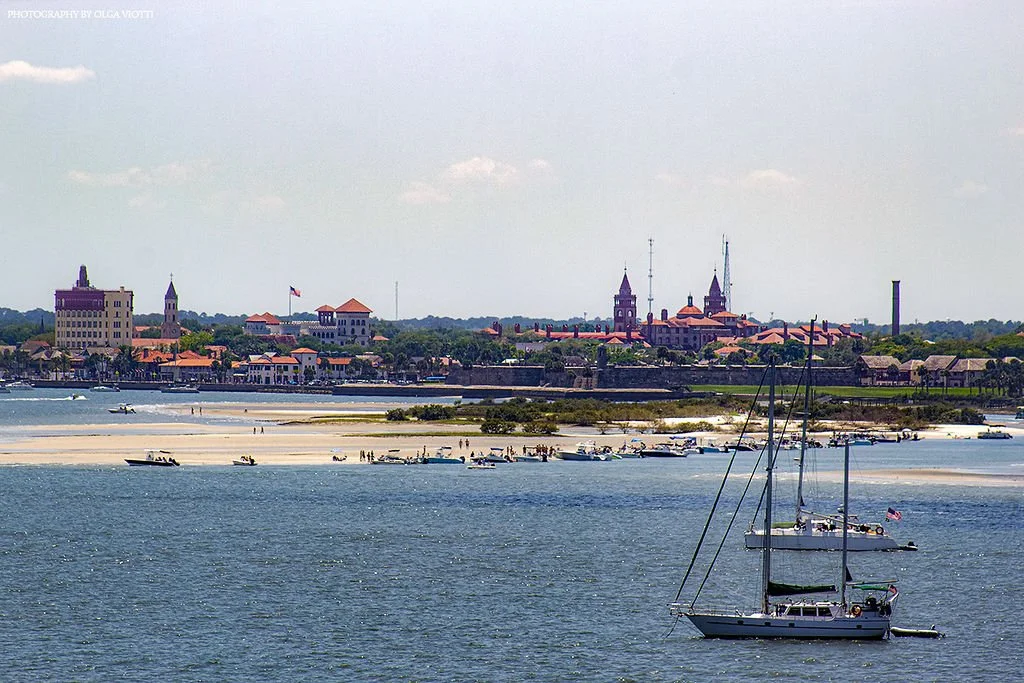
St. Augustine
There Isn’t Just One St. Augustine
Ask someone what they love about St. Augustine and the answer usually starts with history.
Ask someone where they would actually want to live, and the conversation becomes much more interesting.
St. Augustine changes quickly once you move beyond the familiar postcard. There is the old city, where narrow streets still follow a plan shaped centuries ago. There is Anastasia Island, with the Atlantic on one side and the Matanzas River on the other. There is Vilano, where the city feels close but the setting is distinctly coastal. Move north and west, and the landscape opens into tidal marsh, preserves, gated communities and newer construction.
All of it can appear under a St. Augustine address.
It does not offer the same life.
That is why I would start a home search here with the location, not the house.


Find Your St. Augustine
Not sure where to begin?
Historic streets or ocean mornings? Walkability or privacy? Marsh views or beach access? Character home or new construction?
Tell me how you want to live and see which parts of St. Augustine may fit you best.
About 2 minutes. Your results appear immediately.
First, Understand the Place
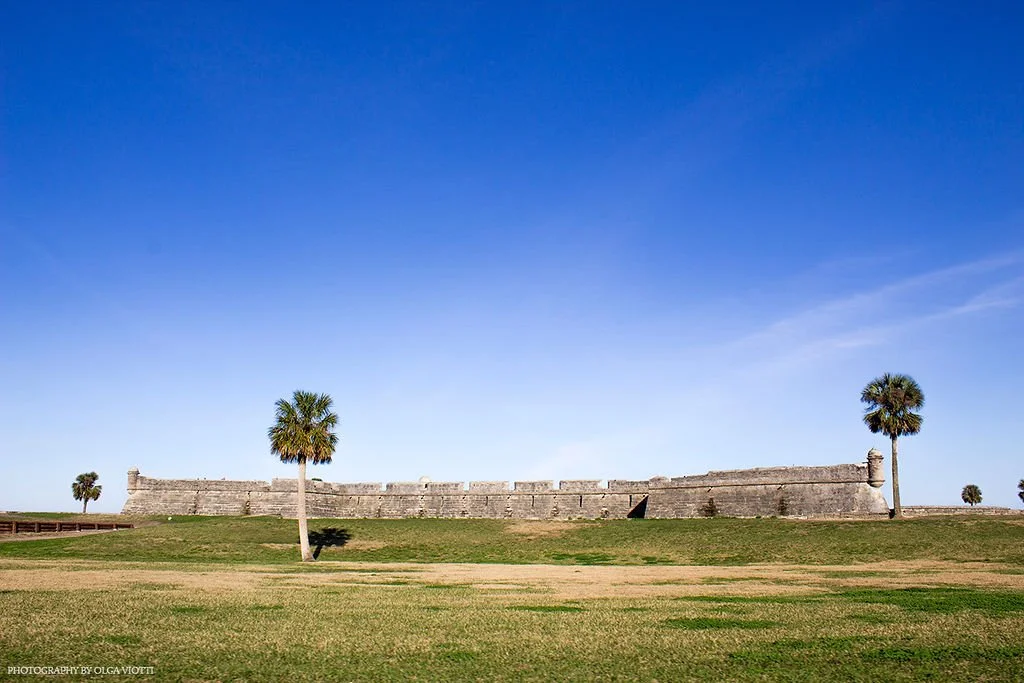
St. Augustine was founded by the Spanish in 1565. Its historic center still retains elements of its colonial town plan, including the central plaza and narrow street pattern.
But today’s residential St. Augustine extends far beyond the place most visitors know.
That distinction matters.
A home near the historic center can put restaurants, architecture and the waterfront close to everyday life. Cross the Bridge of Lions and the atmosphere changes. Continue toward the ocean, north toward Vilano, or away from the old city toward newer communities, and the reasons for buying change with the geography.
There is no single “best” part of St. Augustine.
There is a part that makes more sense for the way you want to live.
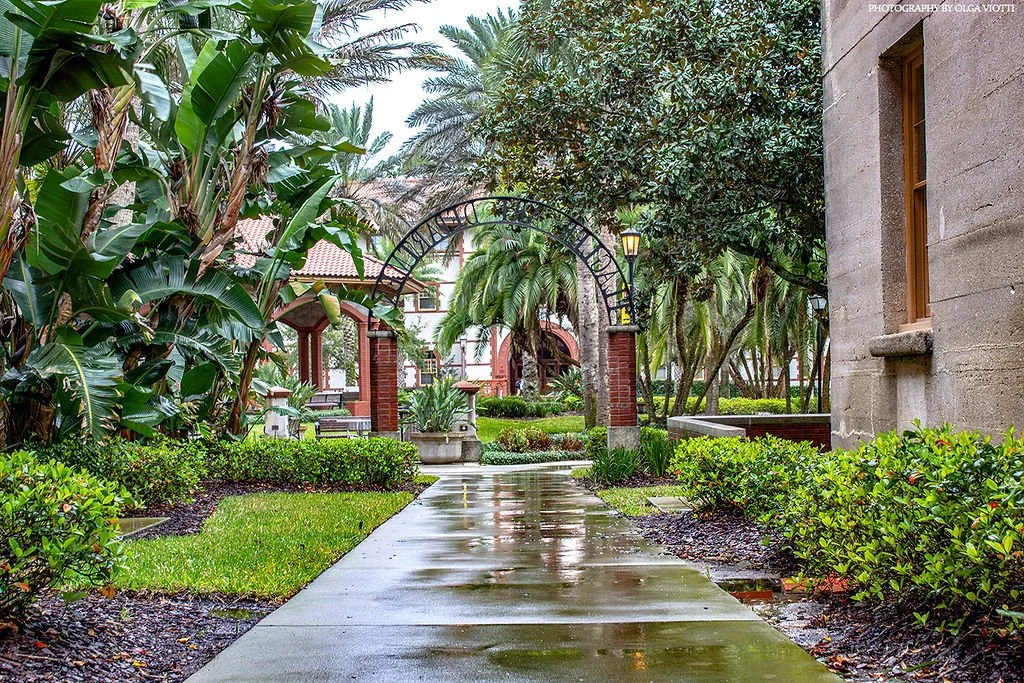
Historic St. Augustine: Character Comes With Context
Living close to the old city offers something newer Florida communities cannot reproduce.
History is physically present here.
It is in the scale of the streets, older structures, mature landscaping and the irregularities that come from a city evolving over hundreds of years.
That character is also why an older St. Augustine property deserves careful evaluation.
The City of St. Augustine has five Historic Preservation zoning districts, and work on properties within them can be subject to architectural guidelines and Historic Architectural Review Board requirements.
If renovation is part of the plan, I would want to understand those restrictions before becoming attached to what a house could become.
Sometimes the restriction is part of what protects the quality you came here to buy.
Anastasia Island: When the Beach Becomes Everyday Life
Cross the Bridge of Lions and St. Augustine begins to feel different.
Here, the ocean becomes part of the decision.
For some buyers, proximity to the beach is the point. Others prefer the river side, a quieter residential street or simply being close enough to downtown without living in the middle of it.
This is also where I start looking beyond the interiors.
How is the house positioned?
What is its elevation?
What does the property actually face?
How exposed is it?
What will insurance look like?
A renovated kitchen can be changed again.
The relationship between a property and the water cannot.
Vilano: Close to the City, but Not Quite of It
Vilano offers another interpretation of St. Augustine.
You can be remarkably close to the historic center while living in an environment shaped much more by the Atlantic, the Intracoastal and the inlet.
That combination can be interesting for a second home, but also for someone who wants coastal living without giving up easy access to the city.
Here, two houses that look comparable online may feel completely different in person.
Orientation matters. The block matters. Water access matters. So does what sits between the house and the view.
This is where I would slow the search down.
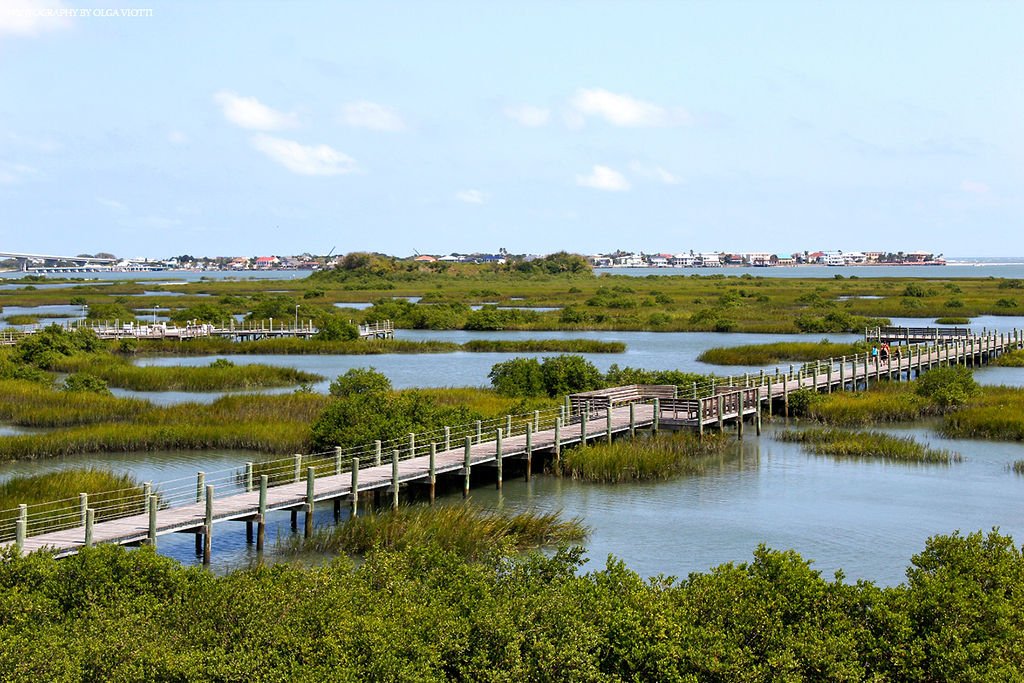
The Marsh Side of St. Augustine
Then there is a quieter St. Augustine.
Tidal marshes and creeks create some of the most distinctive residential settings around the city. The landscape changes with the tide, weather and hour of the day.
It is also a good example of why I often value the homesite before the finishes.
In Madeira, a gated community north of historic St. Augustine, I recently looked at homesites where the marsh is not simply something visible from a window. It changes the entire character of the property.
Before choosing cabinets or flooring, I would want to know where the sun sets, what lies beyond the lot line and whether the view you are paying for is protected.
Those are decisions that are difficult, and sometimes impossible, to correct later.
Read: Madeira, St. Augustine — A View That Refuses to Sit Still →
New Construction: Look Past the Model Home
St. Augustine also offers something its historic identity can make easy to overlook: a substantial choice of newer homes and planned communities outside the old city.
The buying process here requires a different kind of attention.
A model home is designed to make finishes memorable. I am more interested in the decisions that cannot be replaced after closing.
The lot. Orientation. What backs up to it. Future development nearby. Structural options. The relationship between indoor and outdoor space.
You can replace flooring.
You cannot rotate the house.
What Can’t Be Recreated
This is one of the questions I find most useful when evaluating a property:
What am I buying here that would be difficult to recreate?
In St. Augustine, the answer might be an older house with architectural character. A particularly good stretch of waterfront. Mature trees. An unusually private lot. Marsh frontage. A view. Walkability to the historic city. Or simply a position within a neighborhood that rarely becomes available.
Those qualities do not always appear neatly in a price-per-square-foot comparison.
But they may be the things you appreciate most about owning the property.
Water Deserves Its Own Due Diligence
Ocean, river, marsh and Intracoastal settings are part of St. Augustine’s appeal.
They also make property-specific research important.
I would never make a flood assumption based solely on the neighborhood. St. Johns County provides property-level flood-zone information, including adopted flood zones and base flood elevations.
For a coastal or waterfront purchase, I would look at the specific property: flood designation, elevation information where available, insurance, construction, drainage and the physical relationship between the house and surrounding water.
A beautiful view and practical due diligence belong in the same conversation
Find Your St. Augustine
Not sure yet?
That is exactly what Find Your St. Augustine is designed for.
Answer a few questions about how you want to live and you’ll immediately see the St. Augustine areas that may be worth exploring first.
About 2 minutes. Your results appear immediately.
Contact me
Interested in working together? Fill out some info and I will be in touch shortly. I can’t wait to hear from you!